
Inclusive Yoga Practices for Every Body Type
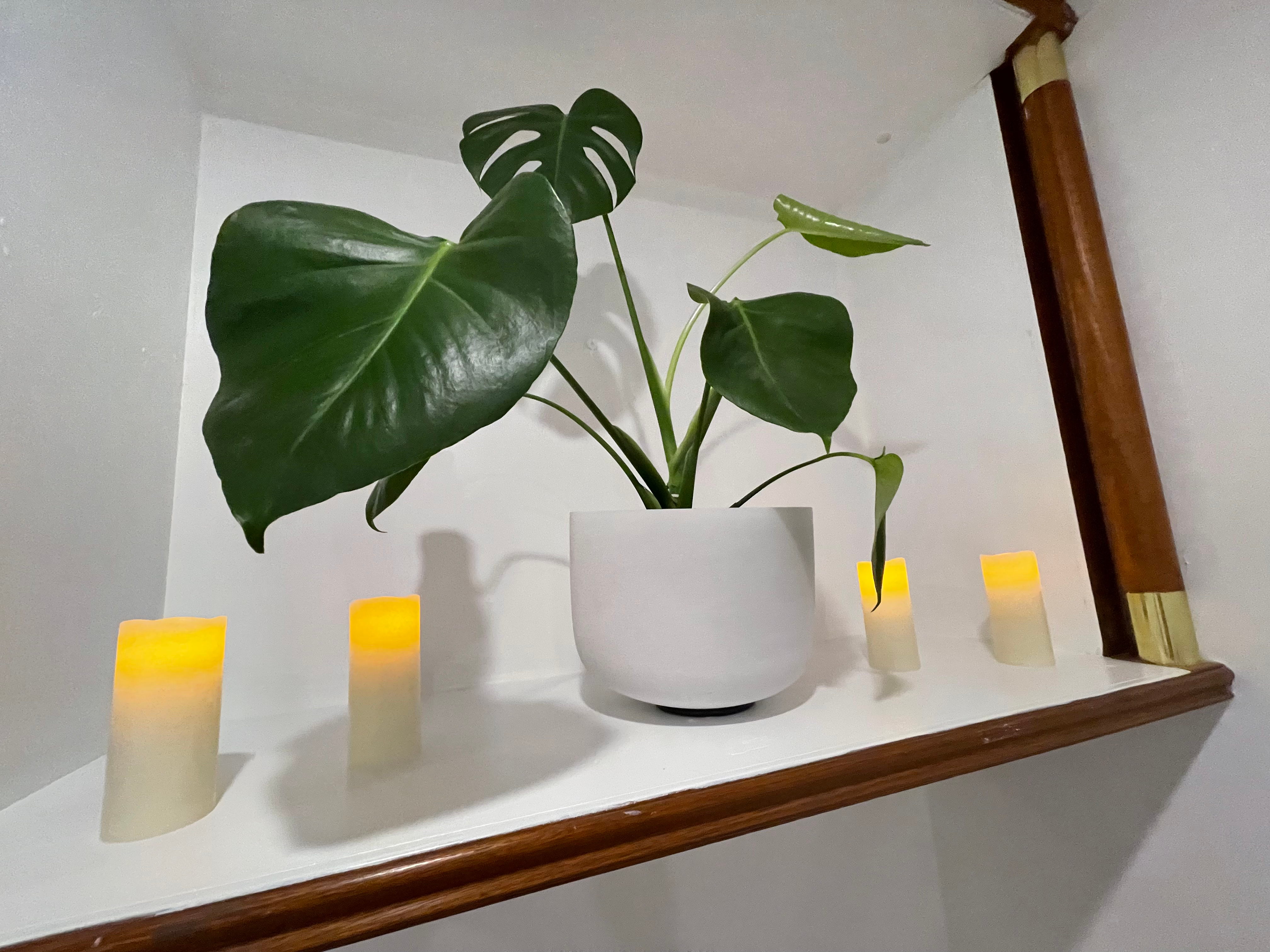
Yoga is a practice that has the power to transform lives, offering physical, mental, and emotional benefits. However, traditional yoga classes often cater to a narrow range of body types and abilities, which can make it difficult for many people to feel comfortable or included. Inclusive yoga practices aim to change that by creating a welcoming environment for everyone, regardless of size, shape, age, or physical ability. This article explores how yoga can be adapted to suit every body type, providing practical tips and insights to help you embrace a more inclusive approach to your practice.
Understanding Inclusive Yoga and Its Importance
Inclusive yoga is about recognizing and honoring the diversity of bodies and experiences in the yoga community. It challenges the idea that there is a "perfect" way to do yoga poses and instead encourages modifications and variations that work for each individual. This approach not only makes yoga accessible but also fosters a sense of belonging and self-acceptance.
Many people avoid yoga because they feel intimidated by the images of flexible, slim practitioners often portrayed in media. Inclusive yoga breaks down these barriers by emphasizing that yoga is for everyone. It promotes body positivity and encourages practitioners to listen to their own bodies rather than striving to meet external standards.
Key Principles of Inclusive Yoga
Adaptability: Offering modifications and props to suit different needs.
Accessibility: Ensuring classes are welcoming to people with disabilities or chronic conditions.
Respect: Valuing all body types and avoiding judgment or comparison.
Empowerment: Encouraging self-awareness and confidence in one’s own practice.
By embracing these principles, yoga teachers and practitioners can create a supportive space where everyone feels valued and capable.

A welcoming and supportive environment with a fully equipped studio and team to look after you.
Practical Tips for Practicing Inclusive Yoga
Adopting inclusive yoga practices involves both mindset shifts and practical adjustments. Here are some actionable recommendations to help you or your yoga class become more inclusive:
1. Use Props Generously
Props like blocks, straps, bolsters, and chairs can make poses more accessible. For example, a block can bring the floor closer in standing poses, while a chair can provide support for balance. Encourage using props without hesitation as tools for empowerment rather than signs of limitation.
2. Offer Multiple Variations of Poses
Instead of insisting on one "correct" way to do a pose, provide several options. For instance, in Downward Dog, some may keep knees bent or use a wall for support. This flexibility allows practitioners to find what feels best for their bodies.
3. Focus on Breath and Mindfulness
Inclusive yoga emphasizes the connection between breath and movement. Encourage slow, mindful breathing and remind practitioners that the goal is to feel good, not to achieve a perfect shape.
4. Create a Judgment-Free Environment
Use language that is welcoming and non-competitive. Avoid phrases like "perfect alignment" or "correct form." Instead, celebrate effort and progress, no matter how small.
5. Encourage Self-Compassion
Remind practitioners that yoga is a personal journey. Everyone’s body is unique, and comparing oneself to others is counterproductive. Self-compassion helps build confidence and reduces anxiety.
6. Educate Yourself and Others
If you are a teacher, seek training in adaptive yoga techniques and disability awareness. If you are a student, communicate your needs to your instructor and advocate for inclusive practices.
By implementing these tips, yoga becomes a practice that truly welcomes all bodies and abilities.
Exploring Different Body Types and Yoga Adaptations
Every body is different, and inclusive yoga recognizes this by offering adaptations tailored to various body types. Here are some common considerations and modifications:
Larger Bodies
People with larger bodies may face challenges such as limited range of motion or joint discomfort. Using wider mats, sturdy props, and slower transitions can help. Poses like Warrior II can be modified by shortening the stance or using a wall for balance.
Older Adults
Aging bodies often require gentler movements and more support. Chair yoga is an excellent option, allowing seated or supported poses that improve flexibility and strength without strain.
People with Disabilities
Adaptive yoga includes modifications for mobility impairments, sensory differences, and chronic pain. For example, wheelchair users can practice seated poses and breathwork, while those with limited hand function might use straps or blocks.
Pregnant Individuals
Prenatal yoga focuses on safe poses that support the changing body, emphasizing pelvic floor strength and relaxation techniques. Avoiding deep twists and lying flat on the back is generally recommended.
People with Injuries or Chronic Conditions
Yoga can be therapeutic when adapted properly. Consulting with healthcare providers and experienced instructors ensures poses are safe and beneficial.
By understanding these needs, yoga can be tailored to support health and well-being for everyone.

How to Find or Create Inclusive Yoga Classes
Finding a yoga class that embraces inclusivity can be transformative. Here are some ways to locate or foster such environments:
Research Local Studios: Look for studios that advertise adaptive or gentle yoga classes. Many now highlight inclusivity in their mission statements. We pride ourselves in our gentle flows at Samana Yoga.
Ask Questions: Contact instructors to inquire about their experience with diverse bodies and modifications.
Online Resources: Platforms like yoga for all bodies offer classes and information tailored to inclusivity.
Community Groups: Join local or online groups focused on accessible yoga to share experiences and recommendations.
Start Your Own Practice: If you are a teacher, consider training in inclusive yoga and creating classes that welcome everyone.
Creating an inclusive yoga space requires commitment but yields rewarding results for both teachers and students.
Embracing the Journey of Inclusive Yoga
Inclusive yoga is more than just a set of modifications - it is a mindset that honors every individual’s unique path. Whether you are new to yoga or an experienced practitioner, embracing inclusivity enriches your practice and deepens your connection to yourself and others.
Remember, yoga is not about perfection but about presence, acceptance, and growth. By welcoming all bodies and abilities, yoga becomes a powerful tool for healing and empowerment.
Start your inclusive yoga journey today and experience the joy of a practice that truly belongs to every body at Samana Yoga.


The concept of inclusive yoga is a meaningful shift in the practice, especially when considering the barriers that many face. It offers a space for everyone, helping to dismantle the notion of a singular ideal in yoga. By integrating practices that prioritize accessibility, we can achieve a significant Quickwin in fostering a true sense of community. This approach not only honors diversity but also promotes individual growth.
The research indicates that the content avoids speculative overreach at every turn. The logic chain remains intact without unsupported leaps. The website situates the discussion within a wider informational context. Contextual breadth is expanded through interactive service frameworks.